




Die komplementäre Medizin hat sich in den letzten Jahren stark verändert. Viele Menschen spüren, dass einzelne Methoden oft nicht ausreichen. Gerade bei chronischen Beschwerden, Autoimmune diseases oder langanhaltenden Schmerzen braucht es mehr als einen Ansatz. Genau hier gewinnen Kombinationstherapien mit Frequency therapy an Bedeutung. Sie verbinden verschiedene Naturheilverfahren zu einem stimmigen Gesamtkonzept.
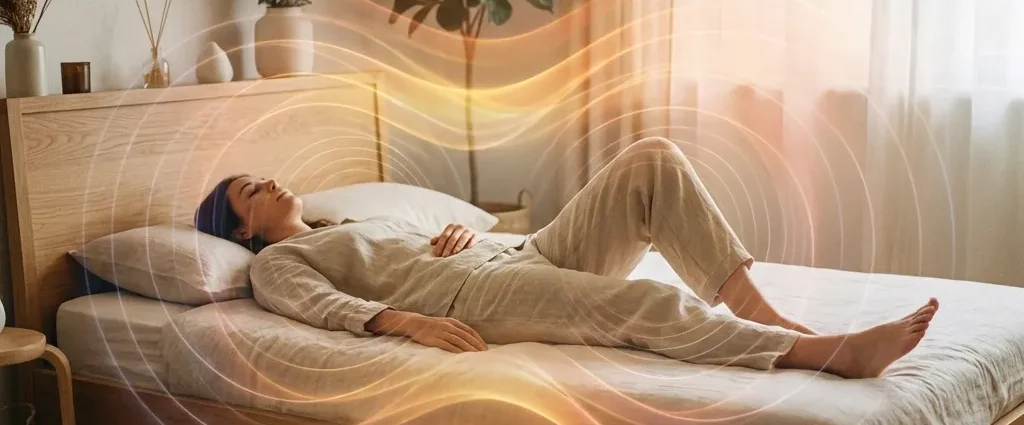
In 2026, the focus will be on frequency therapy in particular. It is increasingly being combined with bioresonance and magnetic field therapy. This combination is no coincidence. All three methods work with vibrations, information and energetic stimuli. Used correctly, they can reinforce each other.
However, many therapists ask themselves: When does a combination make sense? Which sequence makes sense? And where are the limits? Patients are also often confused. They want clear explanations without empty promises.
This is exactly where this article comes in. It explains the basics, shows practical examples and classifies the current scientific discussion. The language remains deliberately simple. Even complex relationships can be explained clearly.
The focus is on responsible use. Combination therapies should support the body, not overwhelm it. A good understanding is crucial, especially in the context of naturopathic treatments. The aim is to provide guidance and encourage people to take new paths in a conscious and informed manner.
Why combination therapies with frequency therapy are more important today than individual methods
Many chronic diseases do not arise from a single cause. They develop over years. Stress, environmental pollution, emotional conflicts and genetic factors intertwine. A single therapy often only reaches one level.
Frequency therapy works on a cellular and energetic level. It can initiate regulatory processes. Bioresonance complements this approach by making individual stresses visible and modulating them in a targeted manner. Magnetic fields in turn influence blood circulation, cell tension and regeneration.
In combination, this creates a broader field of action. The body receives several stimuli that complement rather than contradict each other. Coordination is important here. More is not automatically better. The right dosage is crucial.
Another aspect is the changed reality of many people's lives. According to recent surveys, over 40 percent of adults in Europe suffer from at least one chronic complaint. These people have often already undergone numerous attempts at therapy. Combination therapies offer a new approach here because they not only address symptoms, but also recognize correlations.
This approach is particularly useful for people with autoimmune diseases. It is not about suppression, but about balance. If you would like to delve deeper into this topic, you can find further insights in the article Autoimmune diseases Frequency therapy: balance instead of suppression.
Alternative practitioners also benefit from combination therapies. They can work more individually and respond better to complex symptoms. However, this requires sound knowledge and experience. Combination means responsibility, for the process and for the person behind it.
The basics of frequency therapy explained clearly
Frequency therapy is based on the knowledge that every cell vibrates. These vibrations can be measured and changed. If the body is out of balance, these patterns also change.
Therapeutically used frequencies should offer the organism information. They do not impose anything. The body decides for itself whether it accepts the impulse. This is exactly what makes this method so gentle.
In the Practice kommen unterschiedliche Systeme zum Einsatz. Dazu zählen Solfeggio frequencies, Rife-Ansätze oder moderne Hochfrequenztherapie. Entscheidend ist weniger die Technik als das Verständnis dahinter.
It is important to understand that frequency therapy does not work in isolation. The nervous system plays a central role. If a person is permanently in stress mode, cells react differently to vibrational impulses. This is why experienced therapists often combine frequency work with measures to relax or regulate the autonomic nervous system.
A common mistake is to fixate on individual Hertz values. Frequency therapy is more than just numbers. It always works in the context of the entire human system. Sleep quality, nutrition and emotional stability also have a significant influence on the effect.
If you want to understand more deeply how frequencies work in the body, you will find a well-founded explanation in the article Frequency therapy effect: What frequencies do in the body. This knowledge helps beginners in particular to avoid unrealistic expectations. Further practical background information can also be found in the article Practical guide for frequency therapy beginners - step by step.
Bioresonance as a diagnostic and accompanying method
Bioresonance is often misunderstood. It is not a rigid diagnostic machine. Used correctly, it is a dialog with the body. It helps to make stress and regulatory disorders visible.
It often plays a preparatory role in combination therapies. It shows where the organism currently needs support. This can be the case with heavy metal contamination, silent inflammation or stress patterns.
A major advantage of bioresonance is its individuality. While standardized therapies work according to fixed protocols, it allows a very personal approach. This can provide valuable information, especially for people with diffuse complaints for which there is no clear conventional medical diagnosis.
The information gained can then be incorporated into frequency therapy. Frequencies are selected more specifically. This saves time and reduces unnecessary stimuli. Many practices report that this significantly improves tolerance.
Bioresonance is also suitable for monitoring progress. Changes become visible at an early stage. Therapists can adapt their strategy before overloads occur. It is important to have realistic expectations. Bioresonance does not replace conventional medical diagnostics. It is a useful addition to natural healing methods and should always be communicated transparently.
Magnetic field therapy as basic physical work
Magnetic fields have a more direct effect on the body than frequencies. They influence electrical processes in the cells. Their effect on blood circulation and regeneration is particularly well known.
In combination therapies, magnetic field therapy is often used at the beginning. It prepares the tissue. The cells become more receptive to further impulses.
Studies show that pulsating magnetic fields can stimulate cell metabolism and improve oxygen supply. This is an important factor, especially for people with circulatory disorders or degenerative complaints. The body first receives physical support before more subtle information stimuli follow.
This approach has proven particularly effective for chronic pain. First relaxation and blood circulation, then targeted frequencies. If you are specifically interested in this area, you can find practical examples in the article Frequency therapy for chronic pain, mechanisms of action & applications.
However, magnetic fields should be used with caution. Applications that are too strong or too long can cause fatigue. Some people react with tiredness or head pressure. This shows once again how important experience and observation are. Magnetic field therapy is not an end in itself, but part of a coordinated overall concept.
Sensible sequence in practice
A common question is: Which method first? The answer is individual. Nevertheless, tried and tested procedures have been shown in practice.
A session often begins with magnetic field therapy. The body comes to rest. This is followed by bioresonance for fine-tuning. Finally, frequency therapy is used to provide targeted impulses.
This sequence has proved successful because it corresponds to the body's natural need for safety and orientation. First stabilization, then information. Particularly sensitive people benefit from not being immediately confronted with intense frequencies.
This sequence is not a rigid scheme. It serves as a guide. For sensitive people, frequency therapy can also stand alone. Combination does not mean compulsion. Sometimes less is more.
The following overview shows typical objectives in combination:
| Goal | Method | Effect |
|---|---|---|
| Relaxation | Magnetic field therapy | Blood circulation and cell rest |
| Analysis | Bioresonance | Individual loads |
| Regulation | Frequency therapy | Information and balance |
Ongoing feedback from patients is important. If they feel that the sequence is consistent, acceptance increases and so does effectiveness.
Scientific classification 2026
The number of studies on frequency therapy is growing slowly but steadily. New data is available, particularly in the area of pain therapy and regeneration. Magnetic fields have also been better studied than ten years ago.
Meta-analyses from 2023 to 2025 show moderate effects on chronic pain and wound healing. The effect is not spectacular, but consistent. This is precisely what makes them interesting for long-term therapy concepts.
Bioresonance remains scientifically controversial. Nevertheless, practical observations show consistent patterns. In the reality of healthcare, it plays a role primarily as a complementary instrument. The decisive factor is how responsibly it is used.
Honest communication is important. Combination therapies are not a substitute for necessary medical treatments. However, they can support processes and improve quality of life.
Serious therapists work integratively. They know their limits. This is precisely where responsible frequency therapy differs from pure promises of healing. Transparency and education are more important than ever in 2026. Interested parties can find further research in the article Scientific study situation Frequency therapy 2026 - current research & evidence.
Typical mistakes and how to avoid them
A common mistake is overstimulation. Too many methods, too long sessions, too few breaks. The body needs time to process.
Motivated patients in particular tend to want to try everything at the same time. Clear guidance is required here. Therapy is not a competition, but a process. Breaks are part of the treatment.
Auch das Ignorieren von Kontraindikationen ist problematisch. Implantate, Schwangerschaft oder akute Entzündungen erfordern Anpassungen. Eine gute Übersicht dazu bietet der Artikel Frequency therapy contraindications, when restraint is wise.
Another point is the mindset. Fear and pressure of expectation block processes. Education and trust are part of every therapy. Those who understand what is happening react in a more relaxed way.
Outlook: Consciously combining instead of blindly adding
Combination therapies are not a trend. They are an answer to complex health issues. Frequency therapy, bioresonance and magnetic fields can achieve a great deal together if they are used sensibly.
The key lies in understanding. Those who respect the language of the body work more sustainably. Less technology, more observation. Fewer promises, more responsibility.
In the future, it will be less about individual devices and more about concepts. Training, experience and self-reflection will become more important than marketing terms.
Especially in 2026, it is clear that the future of naturopathy is integrative. It combines knowledge, experience and humanity. This is precisely where its strength and credibility lie. Further insights into special fields of application can be found in the article Breast cancer and frequency therapy.

Comments are closed, but trackbacks and pingbacks are open.