




Scientific basis and application for Hashimoto's & multiple sclerosis
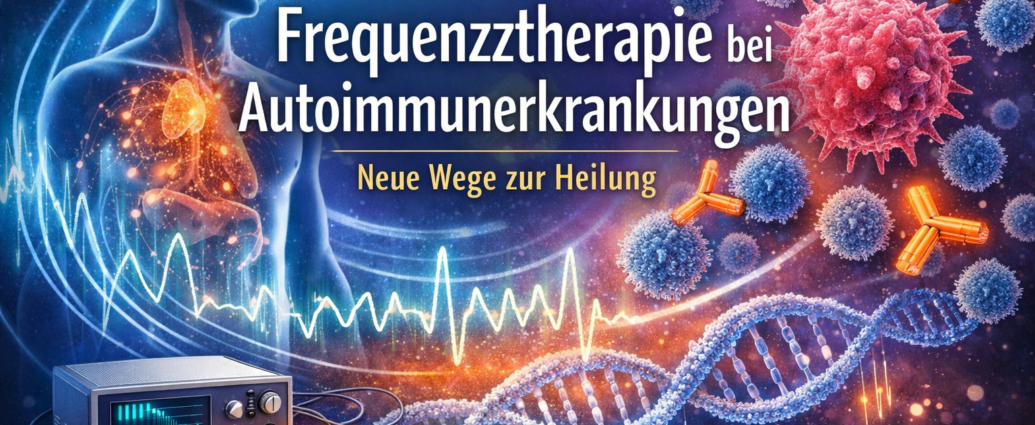
Autoimmune diseases are a constant balancing act for many people. The body mistakes its own cells for invaders, a rather paradoxical situation that often leads to exhaustion, inflammation and hormonal confusion. When everything happens at the same time, everyday life quickly becomes exhausting. In recent years, another approach has become increasingly popular: the Frequency therapy for autoimmune diseases. The idea behind this is that certain vibrations can improve communication between cells and help the body to regulate itself better. It sounds unusual, but many people report noticeable progress.
This is about how frequency therapy is scientifically investigated and what experiences have been made with it. Hashimoto's thyroiditis, Multiple sclerosis (MS) and other autoimmune disorders.
How does frequency therapy work?
In frequency therapy, electromagnetic and oscillation frequencies are used to influence specific processes in the body. Every cell, every organ and every tissue has its own harmonic frequency range, almost like an orchestra that only sounds good when all the instruments are playing in time. If this fine tuning is out of balance, for example due to stress, inflammation, environmental toxins or permanent exhaustion, cell communication can be disrupted. The body then often reacts more sensitively or excessively, and you usually only notice this when everyday things suddenly seem stressful.
Frequency therapy is intended to bring such disturbed vibrations back into balance. For this purpose, targeted impulses are used that are tuned to specific resonance zones of the body. Low-frequency impulses often support muscle activity, while higher frequencies stimulate energetic communication between cells. Modern devices control these impulses very precisely and adapt them individually to the patient's condition, which makes the method particularly flexible in practice. Some therapists combine it with light, sound or magnetic frequencies to calm the autonomic nervous system and promote regeneration. This combination is usually considered a gentle and effective addition.
According to the National Center for Biotechnology Information (NCBI) studies show that bioelectric signals can influence cell regeneration and inflammatory processes. These findings form the basis of many modern applications in frequency medicine.
| Frequency range | Effect | Example application |
|---|---|---|
| 1-20 Hz | Regeneration and cell activation | Muscle stimulation |
| 20-100 Hz | Pain reduction and inflammation inhibition | Chronic inflammation |
| >1000 Hz | Communication at cell level | Immunomodulation |
The frequencies work on several levels, from the cell membrane to the nervous system. Their effects rarely occur immediately, but usually develop over several sessions. After a few weeks of regular treatment, many users report more energy, better sleep and noticeable relief from inflammatory symptoms, which is clearly noticeable in everyday life.
Scientific principles of immune modulation through frequencies
The immune system is a complex network of cells, messenger substances and signals. When this balance is disturbed, autoimmune diseases often develop. Frequencies act like gentle impulses, almost like little memories for the cells, which can help to restore the natural order in the body. Studies in Frontiers in Immunology show that electromagnetic fields influence the activity of immune cells, for example T lymphocytes, and thereby alter certain processes in immune regulation.
These effects are called Immune modulation through frequencies. They can help to reduce inflammation, improve communication between cells and strengthen the body's self-regulation. This results in a more balanced interaction of immune reactions. Researchers suspect that frequency pulses change gene expression and thus reduce the production of pro-inflammatory cytokines. The result is usually a more stable immune system that puts less strain on the body and uses energy more efficiently, which can have a positive impact on everyday life.
One example: in Hashimoto's disease, the immune system attacks the thyroid gland. Frequency pulses can help to calm this overactive reaction and stabilize hormone production. In multiple sclerosis, they improve communication between nerve cells, which reduces inflammation of the myelin layer. Studies also show that regular frequency applications stimulate antioxidant processes, a clear benefit for healthy cells.
Practical implementation of immunomodulation
If you would like to find out how frequencies can be used to regulate the immune system, you can find more information on https://herbert-eder.com individual approaches to frequency therapy.
Use for Hashimoto's thyroiditis
Hashimoto's is a chronic inflammation of the thyroid gland, triggered by a misdirected reaction of the immune system. Those affected often experience phases of severe fatigue, unexplained weight gain, concentration problems and mood swings, a combination that can make everyday life considerably more difficult. This is where frequency therapy comes in: It aims to stimulate cell communication in the thyroid gland and reduce inflammation. Gentle impulses are used to support the body's natural balance again, and the effect usually only becomes apparent after some time.
Specially tuned devices that transmit frequencies directly to the body are used for this. Many therapists work with a holistic approach that also includes diet, exercise and stress management. The treatment can be applied directly to the neck or via electrodes on the hands and feet. Time and again, people report that they feel more energy and a more balanced mood after several weeks, a sign that small impulses can sometimes have a surprisingly large effect.
The European Journal of Integrative Medicine describes initial observations according to which individually adapted frequency pulses could have a positive influence on thyroid activity. In a small pilot study with 30 participants, TPO antibodies, typical inflammatory markers in Hashimoto's, fell significantly in around a third of the participants.
| Parameters | Observed effect | Duration of treatment |
|---|---|---|
| Inflammation markers | Reduction by 20-30% | 8 weeks |
| Energy level | Subjective increase by 40% | 12 weeks |
| Hormone balance | Stabilization | 10 weeks |
These results are still preliminary, but show exciting potential. It is important that those affected check their thyroid values regularly and see frequency therapy as additional support, not as a substitute for medical treatment, which should remain the focus.
Frequency therapy for multiple sclerosis
Multiple sclerosis (MS) is an autoimmune disease that attacks the central nervous system. The immune system attacks the protective myelin layer of the nerves, which can lead to a wide range of symptoms, from problems with coordination to severe fatigue. This is where frequency therapy comes in. It is intended to reduce inflammatory activity and stimulate the regeneration of nerve cells, i.e. support the body in regaining some stability, as far as this is possible with MS.
In the Journal of Neuroinflammation It has been described that electromagnetic fields can influence the activity of microglial cells, the immune cells in the brain. This can help to slow down the inflammatory processes in the nervous system. Researchers are also investigating whether certain frequency patterns support the reconstruction of the myelin layer and thus improve nerve signal transmission. The approach is considered interesting and initial studies have shown it to be very promising, even if there is still no clear proof.
Therapists often report that regular applications promote mobility and relieve pain. However, it is important to adjust the frequencies individually, as MS progresses differently for each person. Frequency therapy is often combined with physiotherapy to additionally train motor skills, and this often shows noticeable results. Initial observations show that after around six weeks, many sufferers are able to perform finer movements and have fewer muscle cramps, which makes everyday life much easier.
Frequency therapy for neurological regulation
If you are wondering how suitable frequencies for neurological processes are found, you can find the answers on https://herbert-eder.com/ Helpful advice and support specifically on frequency therapy for multiple sclerosis.
Opportunities and limitations of the method
Frequency therapy offers interesting possibilities, but in most cases does not replace medical treatment. It can support the immune system somewhat and reduce inflammation, usually as a supplement to proven therapies. Especially in the case of chronic complaints, where conventional methods reach their limits, it sometimes shows new ways, which surprises many. In some cases, the effect almost feels like a small „reboot“ for the body, although this effect naturally varies from person to person.
Research continues and takes a closer look at what happens in the body. Current studies are examining how low-frequency electromagnetic fields affect immune cells and whether they reduce substances such as interleukin-6. Initial results look promising, but the data is still limited and larger studies are needed. Dosage, duration and personal adaptation are also important. Many users appreciate the holistic approach, which addresses body and soul at the same time and therefore often has a more balanced effect.
Practical implementation and suitability for everyday use
Frequency therapy is usually applied using devices that generate gentle vibrations. A session usually lasts between 30 and 60 minutes, sometimes longer, depending on the setting and the state of the day. Many people feel a pleasant warmth, others slip into deep relaxation. This often creates a calm, balanced mood that noticeably relieves the body. Therapists usually recommend two to three appointments per week, whereby the intensity is slowly increased. This gentle adjustment ensures that the treatment remains pleasant and that the body adapts to it naturally.
As the appropriate frequencies depend heavily on the respective clinical picture and condition, the therapy should always be individually tailored. Professional support is almost indispensable. Some also use small, mobile devices to apply the vibrations in everyday life, when working, reading or relaxing. In this way, the method remains practical and can be easily incorporated into the daily routine.
An experienced therapist selects the frequencies specifically to activate certain organs, such as the thyroid gland in the case of Hashimoto's or nerve cells in the case of MS. Some combine the sessions with breathing exercises or meditation, which often strengthens the autonomic nervous system and deepens recovery. This creates a consistent, harmonious process that is particularly pleasant and beneficial after a stressful day.
The path to more balance and self-regulation
Frequency therapy for autoimmune diseases is not a magic cure, but it can provide amazing help in restoring the body's natural balance, for example by improving the way the heart, metabolism and nervous system work together. Targeted stimuli stimulate self-regulation, which is often an important step towards long-term improvement. When this balance returns, many people experience not only physical relief, but also inner peace and mental clarity. The vibrations usually have a calming effect on the autonomic nervous system, promote serenity and help to release tension; step by step, you find your own center again.
If you are interested in frequency therapy, it makes sense to talk to an experienced therapist. A good combination of the right frequencies, diet, exercise and lifestyle can often achieve more than you first think. Some people report changes that only become apparent after weeks, but then they are clear. As with training, real improvement only comes from regular use. This constant persistence makes all the difference, even if patience is required.
More and more studies are showing that the medicine of the future will be more holistic, more networked, more energetic and more alive. Frequencies could become a kind of language with which the body learns to harmonize itself again. This combination of modern technology and ancient knowledge about energy remains exciting.
Hashimoto's frequency therapy, Immune modulation through frequencies, Applications for multiple sclerosis and many other approaches show how great the potential of this method is. Those who remain open and understand the body as an energetic system often discover a deeper form of healing.
Comments are closed, but trackbacks and pingbacks are open.