





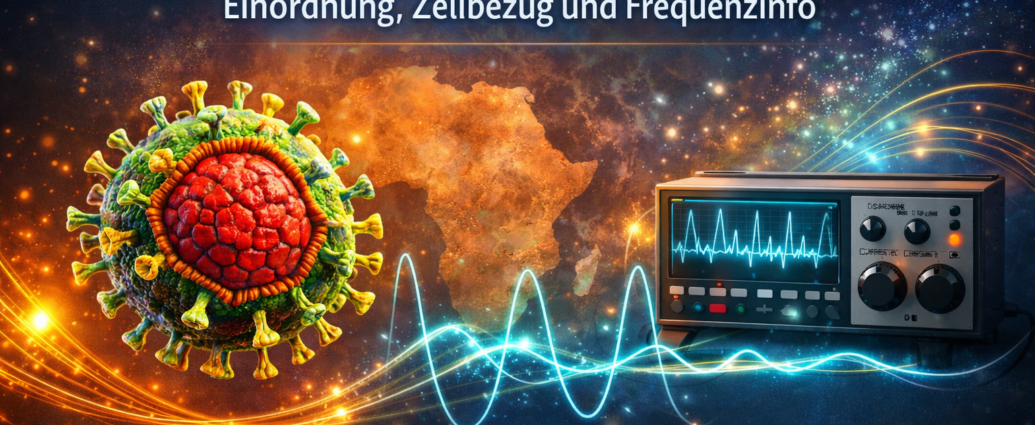
Classification, cell reference and frequency information
HTLV-5, the human T-cell lymphotropic virus type 5, is one of the rarely mentioned representatives of human lymphotropic viruses in the literature. Retroviruses. It is described primarily in connection with DNA sequences derived from tumor cells of patients with Tac-antigen-negative cutaneous T-cell lymphoma-leukemia, or Mycosis fungoides were isolated. It is precisely this classification that makes HTLV-5 particularly interesting from a virological and oncological perspective.
What is HTLV-5?
HTLV-5 is described in the literature as a further representative of the human T-cell lymphotropic viruses. The focus here is less on a broadly elaborated overall clinical picture and more on the detection of specific viral DNA sequences in malignant cell structures. As a result, HTLV-5 is primarily considered in the context of cellular and oncological issues.
This type of classification is particularly typical for rarely described retroviruses. Scientific attention is initially focused on detection, tissue classification and possible correlations with certain cell changes. Only on this basis can the medical significance be further specified step by step.
HTLV-5 and the connection to tumor cells
The literature describes that HTLV-5 DNA sequences were isolated from tumor cells of patients with Tac antigen-negative cutaneous T-cell lymphoma leukemia. This observation is particularly relevant from a conventional medical perspective because it directly links HTLV-5 to altered lymphoid cell populations.
The fact that HTLV-5 is not simply described as a free virus, but as being linked to tumor cells, gives it a special scientific significance. This brings to the fore not only the virus as such, but also its possible biological connection with cellular degeneration processes.
What does Tac antigen negative mean?
The literature explicitly mentions the connection with Tac-antigen-negative cutaneous T-cell lymphoma leukemia. This designation refers to a special immunological or cellular characterization of the affected tumour cells. This makes it clear that HTLV-5 does not simply appear in the field of retroviruses in general, but is discussed in a differentiated hematological-oncological context.
Such markers are particularly important in conventional medical diagnostics because they help to differentiate cell types more precisely and classify clinical pictures more precisely. The mention of this feature shows that HTLV-5 is primarily considered in specialized medical contexts.
HTLV-5 and mycosis fungoides
The literature also associates HTLV-5 with mycosis fungoides. This is a form of cutaneous T-cell lymphoma. This connection makes it clear that HTLV-5 is primarily discussed in the area of lymphatic and skin-related tumor processes.
This oncological and dermatological interface is particularly significant in terms of conventional medicine. It shows that certain virus detections not only focus on general infection processes, but also on the question of how viral information is found in a malignant cell environment and what significance can be attributed to it.
Why HTLV-5 is medically interesting
HTLV-5 is of particular medical interest because it is described in a highly specialized context of retrovirology, oncology and cell biology. In contrast to more common pathogens, the focus here is not on a classic broad infection pattern, but on the detection of viral sequences in pathologically altered cells.
This type of observation is particularly important for research. It expands our understanding of which retrovirus-related patterns can occur in certain tumor cell constellations and how rare human lymphotropic tumors can develop. Viruses into the existing scientific system.
Conventional medical classification of HTLV-5
From a conventional medical point of view, the main focus with HTLV-5 is on precise virological and cell biological classification. The detection of DNA sequences in tumor cells initially means that a connection has been described at the molecular level. However, this does not automatically result in a fully developed clinical disease model to the same extent as for better-known retroviruses.
This is precisely why a differentiated medical approach is particularly important. Above all, the literature provides evidence of a correlation and a link to certain malignant T-cell processes. This observation forms the basis for any further scientific and medical evaluation.
Retroviruses and the importance of cellular integration
The study of HTLV-5 is also interesting because retroviruses basically have mechanisms that can intervene deeply in cellular processes. When viral Information is described at the DNA level in connection with tumor cells, the question of biological interaction, cell regulation and genetic embedding immediately comes to the fore.
This perspective is particularly important in the case of retroviruses. It is not just the mere presence of a virus, but its relationship to the host cell and its regulatory mechanisms that determines its medical significance. HTLV-5 is therefore particularly relevant at this deeper biological level.
Skin, lymphatic system and cellular regulation
Since HTLV-5 is associated in the literature with cutaneous T-cell lymphoma leukemia and mycosis fungoides, there is a focus on skin, lymphatic system and cellular immune regulation. This combination shows that rare retroviruses are not only considered as infectious agents, but also in connection with tissue changes and cell behavior.
It is precisely this connection that makes the relevance of conventional medicine so complex. It is not just about classic signs of infection, but also about the question of what biological role viral sequences play in a pathologically altered cell structure.
Holistic view of the organism
From a holistic perspective, HTLV-5 shows particularly clearly that biological stresses and viral contexts do not always only appear as acute infections. Sometimes cell regulation, immune patterns, chronic changes and deeper tissue connections come to the fore. Especially in relation to skin and lymphatic cells, it becomes clear how closely different regulatory systems in the organism are connected.
A complementary view therefore focuses not only on molecular evidence, but also on system stability, regenerative capacity and the question of how the organism reacts to long-term or far-reaching biological influences. This creates a more comprehensive picture than a purely symptom-oriented approach.
Complementary perspective on frequency therapy
Around the Frequency therapy is often associated with terms such as oscillation, Resonance and regulation. Complementary understanding is about looking at biological relationships not only in terms of substances, but also functionally and systemically. The focus is not on isolated individual values, but on the classification in a larger understanding of the reaction situation, internal order and biological dynamics.
Particularly in the case of rare retroviruses and complex cellular contexts, such models attempt to consider not only the molecular evidence, but also the larger pattern of tissue, regulation and individual response. In this context, frequency therapy and frequencies are understood as supplementary literature references.
Frequency info
The following frequency ranges are mentioned in the literature for HTLV-5:
297-298, 315, 320-340, 354, 439, 480-482, 523, 544-545 kHz
In the complementary context of frequency therapy and frequencies, these frequency data are understood as supplementary literature references. Within complementary approaches, they are placed in a larger context of resonance, system dynamics and individual reactions.
Conclusion
HTLV-5 is a less frequently described representative of the human T-cell lymphotropic viruses and is classified in the literature primarily on the basis of the detection of viral DNA sequences in tumor cells of patients with Tac antigen-negative cutaneous T-cell lymphoma leukemia or mycosis fungoides. The significance for conventional medicine therefore lies primarily in the virological, cell biological and oncological classification of this connection.
In the complementary environment, the view of frequency therapy and frequencies can also be understood as a thematic extension. The frequency ranges mentioned in the literature are referred to as Frequency info into a larger context.


Comments are closed, but trackbacks and pingbacks are open.